
Verleger: 24
Dr. Chi Wang, Boris Bolliet
Engineering simulation workflows often lose more time to coordination than computation. Inputs are gathered across tools, assumptions drift between handoffs, and decisions become difficult to reconstruct. This practical FAST guide shows you how to add an agent-orchestration layer around trusted simulation tools without replacing the solver itself.Using a single two-dimensional heat-diffusion example, you will build a planner-reviewer-controller-executor workflow with AG2/AutoGen. You will define input contracts, create auditable artifacts such as simulation_request.json and plan.json, enforce validation gates before execution, run the simulation, validate results, and turn them into a decision-facing report. You will also work through failure modes, diagnostics, recovery paths, auditability, and orchestration variants.By the end of the book, you will understand how to make simulation workflows more predictable, traceable, and resilient, and how to extend the same pattern to parameter studies, CFD, FEA, cloud, and HPC environments.

Agent policyjny. Z papierów po Hektorze Blau
Kazimierz Laskowski
Agent policyjny Kazimierza Laskowskiego nie jest typowym kryminałem, mimo iż zaczyna się od znalezienia zwłok. Zamordowanym mężczyzną jest słynny warszawskie komisarz policji Hektor Blau. Zwłoki komisarza ubranego w stalową koszulę (kamizelkę kuloodporną) zostają wyłowione z Wisły... Ostatnie sprawy kryminalne prowadzone przez komisarza są rekonstruowane na podstawie znalezionych przypadkiem notatek zabitego policjanta. I tak dowiadujemy się, że komisarz rozpracowywał siatkę fałszerzy pieniędzy, rozwiązywał sprawę kradzieży czterdziestu tysięcy rubli, jak również brał udział w akcji wymierzonej przeciw rewolucjonistom.

Robert Michniewicz
Oficer Agencji Wywiadu Aleks Niwiński zostaje wysłany do Dubaju z misją nawiązania kontaktu z irańskim szpiegiem. Szybko okazuje się jednak, że niebezpieczna operacja to dopiero początek problemów. Sytuację dodatkowo komplikuje niespodziewany romans z atrakcyjną agentką francuskiego wywiadu. W tym samym czasie w Rijadzie, Houston i Warszawie dochodzi do tajemniczych zamachów na osoby związane z niedawnymi dramatycznymi wydarzeniami w stolicy Arabii Saudyjskiej. Czy to zemsta rosyjskiego lub irańskiego wywiadu za operację udaremnioną kilka miesięcy wcześniej? A może krwawy odwet szyickiej komórki terrorystycznej za śmierć jej członków? Aleks wpada w sam środek bezwzględnej rozgrywki, w której nikomu nie może ufać. Każdy kolejny trop przybliża go do prawdy i do śmiertelnego niebezpieczeństwa. Notka do Empiku: Oficer Wywiadu Aleks Niwiński wyrusza do Dubaju, by spotkać się z irańskim szpiegiem. Misję komplikuje romans z francuską agentką. Tymczasem w trzech miastach dochodzi do tajemniczych zamachów. Kto za nimi stoi? Rosyjskie służby, Iran czy szyiccy terroryści? Poszukiwanie prawdy może kosztować Aleksa życie. Robert Michniewicz-były oficer wywiadu. Absolwent Wydziału Prawai Administracji Uniwersytetu Warszawskiego oraz studiów podyplomowych w Polskiej Akademii Nauk. W 1984 roku z wyróżnieniem ukończył Ośrodek Kształcenia Kadr Wywiadowczych. W wywiadzie przepracował 23 lata, z czego 11 lat działał za granicą. Realizował zadania wywiadowcze na Bliskim Wschodzie, w Ameryce i Europie. W 2006 roku w stopniu podpułkownika przeszedł na emeryturę. W wolnych chwilach czyta literaturę sensacyjną i marynistyczną, podróżuje i uprawia sport.

Robert Michniewicz
Oficer Agencji Wywiadu Aleks Niwiński zostaje wysłany do Dubaju z misją nawiązania kontaktu z irańskim szpiegiem. Szybko okazuje się jednak, że niebezpieczna operacja to dopiero początek problemów. Sytuację dodatkowo komplikuje niespodziewany romans z atrakcyjną agentką francuskiego wywiadu. W tym samym czasie w Rijadzie, Houston i Warszawie dochodzi do tajemniczych zamachów na osoby związane z niedawnymi dramatycznymi wydarzeniami w stolicy Arabii Saudyjskiej. Czy to zemsta rosyjskiego lub irańskiego wywiadu za operację udaremnioną kilka miesięcy wcześniej? A może krwawy odwet szyickiej komórki terrorystycznej za śmierć jej członków? Aleks wpada w sam środek bezwzględnej rozgrywki, w której nikomu nie może ufać. Każdy kolejny trop przybliża go do prawdy i do śmiertelnego niebezpieczeństwa. Notka do Empiku: Oficer Wywiadu Aleks Niwiński wyrusza do Dubaju, by spotkać się z irańskim szpiegiem. Misję komplikuje romans z francuską agentką. Tymczasem w trzech miastach dochodzi do tajemniczych zamachów. Kto za nimi stoi? Rosyjskie służby, Iran czy szyiccy terroryści? Poszukiwanie prawdy może kosztować Aleksa życie. Robert Michniewicz-były oficer wywiadu. Absolwent Wydziału Prawai Administracji Uniwersytetu Warszawskiego oraz studiów podyplomowych w Polskiej Akademii Nauk. W 1984 roku z wyróżnieniem ukończył Ośrodek Kształcenia Kadr Wywiadowczych. W wywiadzie przepracował 23 lata, z czego 11 lat działał za granicą. Realizował zadania wywiadowcze na Bliskim Wschodzie, w Ameryce i Europie. W 2006 roku w stopniu podpułkownika przeszedł na emeryturę. W wolnych chwilach czyta literaturę sensacyjną i marynistyczną, podróżuje i uprawia sport.

Robert Michniewicz
Napięcie, intrygi i wyścig z czasem w cieniu globalnych interesów! W samym sercu Rijadu, stolicy Arabii Saudyjskiej, dochodzi do serii zamachów terrorystycznych, za które odpowiedzialność przejmuje rzekoma komórka Al-Kaidy. Jednak prawda jest znacznie bardziej skomplikowana. Za kulisami tych wydarzeń kryje się mroczny spisek, który sięga najwyższych szczebli władzy rodziny królewskiej. Sytuację dodatkowo zaognia tajny sojusz irańskiego i rosyjskiego wywiadu, który ma na celu zdestabilizowanie globalnego rynku ropy. Tymczasem do oficera polskiego wywiadu, Aleksa Niwińskiego, zgłasza się rosyjski dyplomata z propozycją niebezpiecznej współpracy. Niwiński musi rozwikłać intrygę, która obejmuje podejrzane działania polskiego ambasadora, zniknięcie żony szefa placówki oraz zapobiec ujawnieniu polskich tajemnic. Czy to prowokacja SWR? A może część większego, przemyślanego planu wywiadu irańskiego? Jaką rolę w tym wszystkim odgrywa piękna i tajemnicza krewna żony ambasadora?

Robert Michniewicz
Audiobook w interpretacji Mariusza Bonaszewskiego. Napięcie, intrygi i wyścig z czasem w cieniu globalnych interesów! W samym sercu Rijadu, stolicy Arabii Saudyjskiej, dochodzi do serii zamachów terrorystycznych, za które odpowiedzialność przejmuje rzekoma komórka Al-Kaidy. Jednak prawda jest znacznie bardziej skomplikowana. Za kulisami tych wydarzeń kryje się mroczny spisek, który sięga najwyższych szczebli władzy rodziny królewskiej. Sytuację dodatkowo zaognia tajny sojusz irańskiego i rosyjskiego wywiadu, który ma na celu zdestabilizowanie globalnego rynku ropy. Tymczasem do oficera polskiego wywiadu, Aleksa Niwińskiego, zgłasza się rosyjski dyplomata z propozycją niebezpiecznej współpracy. Niwiński musi rozwikłać intrygę, która obejmuje podejrzane działania polskiego ambasadora, zniknięcie żony szefa placówki oraz zapobiec ujawnieniu polskich tajemnic. Czy to prowokacja SWR? A może część większego, przemyślanego planu wywiadu irańskiego? Jaką rolę w tym wszystkim odgrywa piękna i tajemnicza krewna żony ambasadora?
Agentic AI for DevOps Engineers. Building autonomous CI/CD, infrastructure, and operations workflows
Trevoir Williams
Agentic AI for DevOps is a practical, hands-on guide to building autonomous DevOps workflows powered by AI agents, LLMs, and intelligent automation systems. The book shows you how to modernize software delivery and cloud operations by integrating AI into CI/CD pipelines, infrastructure automation, observability, incident response, and platform engineering.You’ll learn how to design AI-driven workflows that can analyze logs, automate deployments, optimize infrastructure, remediate failures, and improve operational efficiency with minimal human intervention. Through real-world projects and demonstrations, the book explores the use of AI copilots, orchestration frameworks, cloud-native tooling, and DevOps platforms to create scalable and production-ready autonomous systems. The book also covers prompt engineering, AI workflow orchestration, security, governance, and best practices for building reliable AI-powered DevOps environments. By the end of the book, you’ll be able to confidently build, deploy, and manage AI-driven DevOps systems that improve speed, reliability, scalability, and operational efficiency.*Email sign-up and proof of purchase required
Imran Afzal
Agentic AI for Linux Administration is a practical guide to using generative AI as a reliable assistant for everyday Linux operations. It shows system administrators, DevOps engineers, cloud professionals, and learners how to combine core Linux skills with ChatGPT, Claude, Aider, and AI-powered command-line tools to work faster without giving up control or operational safety.You will build a hands-on lab and learn how to translate natural-language requests into Linux commands, generate and debug Bash scripts, automate repetitive tasks, create cron jobs, analyze logs, troubleshoot failing services, investigate performance and networking problems, and strengthen system security. A focused section on Claude demonstrates how its long-context capabilities can support configuration reviews, incident analysis, documentation, and multi-file troubleshooting alongside ChatGPT-based workflows.Real-world examples, reusable prompts, validation checklists, and mini projects help bridge the gap between experimentation and production use. The book also addresses privacy, credential handling, hallucinations, command verification, rollback planning, and human approval. By the end, you will be able to build safe, repeatable AI-assisted workflows for Linux administration, troubleshooting, automation, and documentation.
Orhan Yildirim
AI agents have moved from demos to practical tooling, especially for offensive security work where repeatability and context matter. This book shows you how to apply agentic AI to real penetration testing automation, keeping a human in the loop while speeding up reconnaissance, validation, and reporting.You’ll build end-to-end workflows with n8n for reconnaissance automation, attack surface management, and repeatable testing tasks such as port scanning and PCI segmentation testing. You’ll also create browser-based security testing tools using the Model Context Protocol (MCP), enabling LLM-powered agents to coordinate tooling, manage context, and assist with vulnerability analysis and documentation. The focus is hands-on practice, as you’ll assemble practical offensive workflows for web application testing, exploitation support, and professional pentest reporting, then extend your pipeline with threat intelligence automation, including agents that monitor CVE feeds and keep your testing aligned with emerging risk.If you’re a penetration tester, red teamer, or security engineer looking to make assessments faster, more consistent, and easier to scale across engagements, this book gives you patterns that you can adapt to your environment.
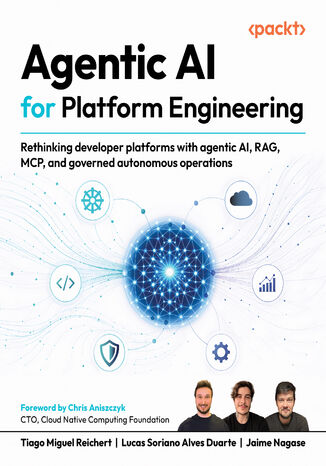
Tiago Miguel Reichert, Lucas Soriano Alves Duarte,...
Platform engineers today face a growing challenge: developer platforms must scale faster than teams can maintain them. This book shows how to embed GenAI, RAG, MCP, and governed agents into developer platforms while preserving delivery and governance practices.The book moves from platform engineering and AIOps foundations to organizational knowledge, conversational interfaces, and agentic operations. Along the way, it places Claude Code, Kiro, and Codex CLI within this evolution, showing how these tools connect to the shift toward governed agents across platforms and organizations. You will build RAG pipelines, connect platform capabilities through MCP, and explore natural-language generation of Terraform and Kubernetes artifacts alongside CI/CD use cases. Hands-on chapters use Backstage, GitOps, Argo CD, Strands, and Langfuse to demonstrate assistants, governed pull-request changes, observability, audit trails, and operational agents.You will also learn when single- or multi-agent designs are appropriate, evaluate build-versus-buy choices, and address prompt injection, memory poisoning, identity abuse, and compliance. By the end, you will be able to design AI-enhanced developer platforms that improve self-service while keeping high-impact actions observable, auditable, and subject to human approval where risk demands it.
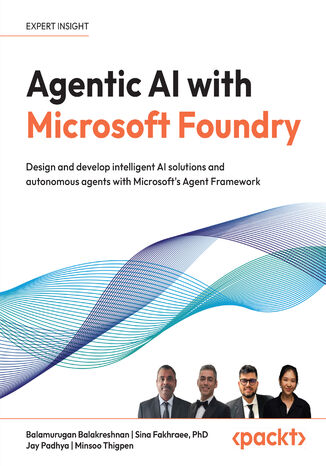
Balamurugan Balakreshnan, Sina Fakhraee, Jay Padhya, Minsoo...
Agentic AI with Microsoft Foundry is your complete guide to creating intelligent, enterprise-ready AI copilots and agents using Microsoft’s unified AI development platform. Whether you’re building with GPT models, integrating private data, or orchestrating multi-agent workflows, this book equips you with the technical foundation and practical skills to succeed.You’ll begin by mastering Microsoft Foundry essentials, including setting up your workspace, exploring the Model Catalog, and applying prompt engineering techniques for high-quality LLM outputs. You’ll then fine-tune large language models, implement retrieval-augmented generation (RAG), and integrate cognitive search capabilities to give your AI real-world context.The second half of the book dives deep into building and extending AI agents using the Agent Framework, covering everything from configuring tools and connectors to orchestrating multi-agent systems capable of reasoning, retrieving, and acting autonomously. You’ll also learn how to evaluate and govern your AI responsibly, monitor deployments effectively, and scale solutions for enterprise use.By the end, you’ll have built a production-ready AI copilot that leverages Microsoft Foundry, OpenAI models, and Microsoft’s Agent Framework, bringing together intelligence, automation, and ethical AI design.
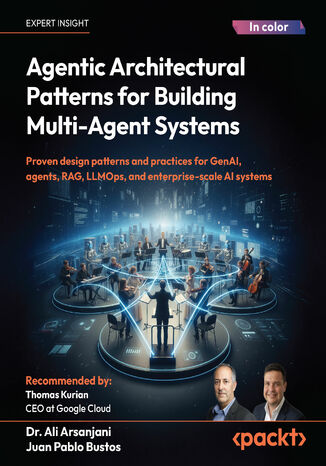
Dr. Ali Arsanjani, Juan Pablo Bustos, Thomas...
Generative AI has moved beyond the hype, and enterprises now face the challenge of turning prototypes into scalable solutions. This book is your guide to building intelligent agents powered by LLMs.Starting with a GenAI maturity model, you’ll learn how to assess your organization’s readiness and create a roadmap toward agentic AI adoption. You’ll master foundational topics such as model selection and LLM deployment, progressing to advanced methods such as RAG, fine-tuning, in-context learning, and LLMOps, especially in the context of agentic AI. You'll explore a rich library of agentic AI design patterns to address coordination, explainability, fault tolerance, and human-agent interaction. This book introduces a concrete, hierarchical multi-agent architecture where high-level orchestrator agents manage complex business workflows by delegating entire sub-processes to specialized agents. You’ll see how these agents collaborate and communicate using the Agent-to-Agent (A2A) protocol.To ensure your systems are production-ready, we provide a practical framework for observability using life cycle callbacks, giving you the granular traceability needed for debugging, compliance, and cost management. Each pattern is backed by real-world scenarios and code examples using the open source Agent Development Kit (ADK).*Email sign-up and proof of purchase required
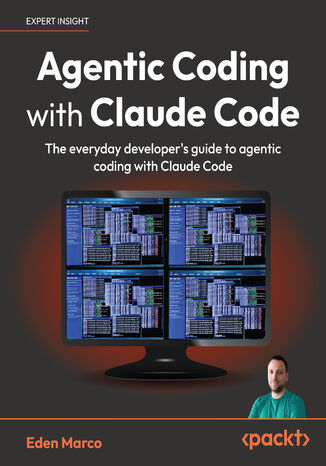
Agentic Coding with Claude Code. The everyday developer's guide to agentic coding with Claude Code
Eden Marco
Most developers encounter Claude Code through chat-style prompting, but that approach breaks down as projects grow and automation must be safe, repeatable, and controlled. Agentic Coding with Claude Code shows how to move beyond ad hoc prompts and use Claude Code as an extensible, agent-driven development platform.This book focuses on building context-aware AI workflows directly in your terminal and IDE. You will learn how to control Claude Code using slash commands, manage long-term context with persistent memory files, and automate development tasks using hooks that trigger actions across Claude Code's lifecycle.The book also covers the Model Context Protocol (MCP) as an important part of the modern agentic ecosystem. You will understand why MCP exists, explore its core architecture, and configure MCP servers inside Claude Code to improve context sharing across tools, agents, and workflows. The trade-offs between MCP, skills, and subagents are discussed to help you choose the right approach.You will design and orchestrate multi-agent systems using subagents, parallel sessions, and hierarchical delegation. By the end of the book, you will be able to integrate Claude Code into real-world development workflows with confidence and control.*Email sign-up and proof of purchase required
Daniel Vaughan
Agentic Coding with OpenAI Codex CLI is a comprehensive guide to agentic AI development with OpenAI's command-line coding agent. Across six parts, you'll move from first principles to production workflows and team-scale practice: prompting and AGENTS.md configuration, approval modes and kernel-level sandboxing, model selection, context and cost management, MCP servers, hooks, skills, sub-agents and orchestration, worktrees, CI/CD integration, security hardening, and enterprise deployment.Later chapters cover debugging and testing agentic workflows, AI code review, practical engineering guides (codebase migration, backend, frontend, and infrastructure as code), and the bigger picture: benchmarks, competing tools, harness engineering, and how to structure an agentic engineering team.Whether you're a solo developer looking to multiply your output or an engineering lead rolling out agentic workflows across a team, this book gives you the mental models and practical techniques to work effectively with AI coding agents.It draws on real-world experience and community insights, and every chapter includes learning objectives, worked examples, and hands-on exercises.
Michael Rishi Forrester
Build agentic DevOps workflows without bypassing the controls your Kubernetes platform already depends on. This book shows you how to use Claude as a controlled platform-engineering worker while introducing agents, model serving, and developer self-service through reproducible GitOps workflows, explicit trust boundaries, policy checks, and testable completion gates.You’ll establish a cloud-native foundation with Argo CD, cert-manager, OpenBao, External Secrets Operator, Kyverno, Prometheus, Grafana, Loki, Tempo, and OpenTelemetry. You’ll then add governed AI traffic using Gateway API, kgateway, agentgateway, kagent, MCP tools, and LLM Guard before serving an OpenAI-compatible model with KServe and vLLM.The hands-on approach shows you how to constrain Claude with specifications, permissions, audit hooks, tests, and Git checkpoints. You’ll trace agent and model activity, diagnose failures from evidence, and turn operational fixes into reusable tests. You’ll also build a Backstage template and Argo CD ApplicationSet that provide a governed path from developer request to running agent.By the end of the book, you’ll be able to build and validate an AI-native internal developer platform in phases, route agent and model activity through existing platform controls, and prepare the architecture for production use.

Alan Hlad
Zainspirowana prawdziwymi wydarzeniami historia bohaterskich szpiegów! Rok 1942, kiedy wynik wojny wisi na włosku, prezydent Roosevelt wysyła nieprawdopodobną grupę zadaniową z wyjątkową misją. Bibliotekarze wyszkoleni w szpiegostwie i specjaliści od mikrofilmów, współpracujący ze specjalnym oddziałem Służb, zostają rozlokowani po całej Europie. Pozyskując i przeglądając gazety, książki i podręczniki techniczne, zbierają informacje o rozmieszczeniu wojsk i uzbrojeniu. Maria Alves zostaje wysłana do Lizbony, gdzie skrupulatnie fotografuje publikacje. Współpracuje z Tiago - portugalskim właścicielem księgarni, który wykonuje własną, niepewną misję, pomagając żydowskim uchodźcom. Gdy Maria i Tiago zbliżają się do siebie, ich wspólna przyszłość jest zagrożona. Kobieta dostaje bowiem nowe zadanie, które zaprowadzi ją w samo serce wewnętrznego kręgu sympatyków Fuhrera! Amerykańska bibliotekarka i portugalski handlarz książek; misja, która może odmienić losy wojny.