
Publisher: 16
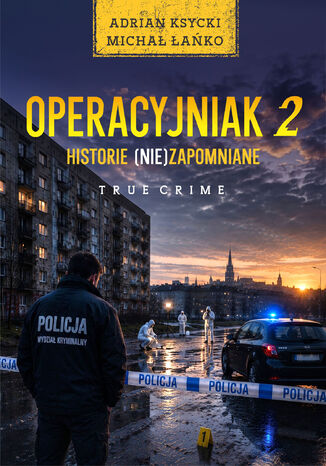
Operacyjniak T.2 Historie (nie)zapomniane
Adrian Ksycki, Michał Łańko
Operacyjniacy widzą rzeczy, o których inni woleliby nie wiedzieć. Wchodzą do domów, w których wydarzyła się tragedia. Rozmawiają z mordercami, ofiarami i ich bliskimi. Zdobywają informatorów, przenikają do półświatka, obserwują, słuchają i czekają. Czasem tygodniami. Czasem miesiącami. Muszą podejść blisko. Ale nigdy za blisko. Bo w tej pracy zaufanie jest narzędziem, kłamstwo może prowadzić do prawdy, a człowiek, który dziś dostarcza informacji, jutro może zacząć prowadzić własną grę. Wystarczy chwila nieuwagi, jeden błąd, jedna relacja, która przestaje być wyłącznie służbowa, żeby znaleźć się po niewłaściwej stronie cienkiej niebieskiej linii. Robert Młodzian i jego koledzy z wydziału kryminalnego słupskiej policji wracają. Wraz z nimi historie brutalnych zbrodni, zaginięć i ludzkich tragedii, które wydarzyły się naprawdę. Tym razem jednak Adrian Ksycki i Michał Łańko zaglądają jeszcze głębiej za kulisy pracy operacyjnej i pokazują nie tylko, jak kryminalni zdobywają informacje i rozwiązują sprawy, lecz także jaką cenę płacą za lata spędzone zbyt blisko zła. "Operacyjniak. Historie (nie)zapomniane" to druga część fabularyzowanego reportażu true crime opartego na doświadczeniach policjantów kryminalnych.
Operacyjniak T.2 Historie (nie)zapomniane
Adrian Ksycki, Michał Łańko
Operacyjniacy widzą rzeczy, o których inni woleliby nie wiedzieć. Wchodzą do domów, w których wydarzyła się tragedia. Rozmawiają z mordercami, ofiarami i ich bliskimi. Zdobywają informatorów, przenikają do półświatka, obserwują, słuchają i czekają. Czasem tygodniami. Czasem miesiącami. Muszą podejść blisko. Ale nigdy za blisko. Bo w tej pracy zaufanie jest narzędziem, kłamstwo może prowadzić do prawdy, a człowiek, który dziś dostarcza informacji, jutro może zacząć prowadzić własną grę. Wystarczy chwila nieuwagi, jeden błąd, jedna relacja, która przestaje być wyłącznie służbowa, żeby znaleźć się po niewłaściwej stronie cienkiej niebieskiej linii. Robert Młodzian i jego koledzy z wydziału kryminalnego słupskiej policji wracają. Wraz z nimi historie brutalnych zbrodni, zaginięć i ludzkich tragedii, które wydarzyły się naprawdę. Tym razem jednak Adrian Ksycki i Michał Łańko zaglądają jeszcze głębiej za kulisy pracy operacyjnej i pokazują nie tylko, jak kryminalni zdobywają informacje i rozwiązują sprawy, lecz także jaką cenę płacą za lata spędzone zbyt blisko zła. "Operacyjniak. Historie (nie)zapomniane" to druga część fabularyzowanego reportażu true crime opartego na doświadczeniach policjantów kryminalnych.
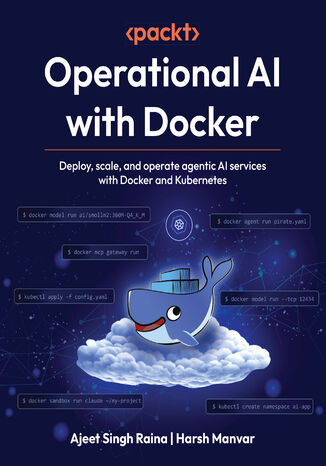
Ajeet Singh Raina, Harsh Manvar
Modern AI systems don’t fail at modeling; they fail in production. Moving from experiments to reliable, scalable systems requires more than notebooks and scripts. It requires infrastructure.Operational AI with Docker shows you how to build, deploy, and operate AI systems that work beyond a single machine. You’ll learn how to use Docker as a consistent runtime for machine learning workflows, package models as reproducible artifacts, and run them reliably across environments.Starting with containerized machine learning, you’ll progress to model serving, AI deployment, and scalable infrastructure using Kubernetes. You’ll implement production-ready patterns for resource management, autoscaling, observability, and performance tuning, ensuring your AI workloads remain stable under real-world conditions.The book goes beyond traditional MLOps by introducing agentic AI systems, including autonomous agents, multi-agent architectures, and secure execution environments. You’ll also explore modern integration patterns using the Model Context Protocol (MCP), enabling AI systems to interact safely with tools, APIs, and data sources.By the end of this book, you’ll be able to design and operate production AI systems that are reproducible, scalable, and ready for real-world deployment using Docker and Kubernetes.
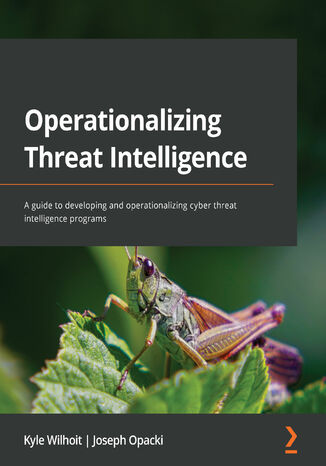
Kyle Wilhoit, Joseph Opacki
We’re living in an era where cyber threat intelligence is becoming more important. Cyber threat intelligence routinely informs tactical and strategic decision-making throughout organizational operations. However, finding the right resources on the fundamentals of operationalizing a threat intelligence function can be challenging, and that’s where this book helps.In Operationalizing Threat Intelligence, you’ll explore cyber threat intelligence in five fundamental areas: defining threat intelligence, developing threat intelligence, collecting threat intelligence, enrichment and analysis, and finally production of threat intelligence. You’ll start by finding out what threat intelligence is and where it can be applied. Next, you’ll discover techniques for performing cyber threat intelligence collection and analysis using open source tools. The book also examines commonly used frameworks and policies as well as fundamental operational security concepts. Later, you’ll focus on enriching and analyzing threat intelligence through pivoting and threat hunting. Finally, you’ll examine detailed mechanisms for the production of intelligence.By the end of this book, you’ll be equipped with the right tools and understand what it takes to operationalize your own threat intelligence function, from collection to production.
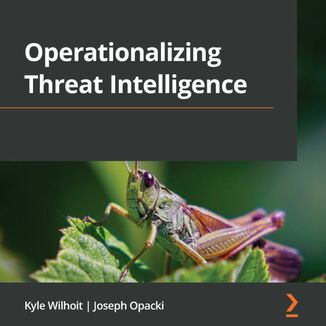
Kyle Wilhoit, Joseph Opacki
We’re living in an era where cyber threat intelligence is becoming more important. Cyber threat intelligence routinely informs tactical and strategic decision-making throughout organizational operations. However, finding the right resources on the fundamentals of operationalizing a threat intelligence function can be challenging, and that’s where this book helps.In Operationalizing Threat Intelligence, you’ll explore cyber threat intelligence in five fundamental areas: defining threat intelligence, developing threat intelligence, collecting threat intelligence, enrichment and analysis, and finally production of threat intelligence. You’ll start by finding out what threat intelligence is and where it can be applied. Next, you’ll discover techniques for performing cyber threat intelligence collection and analysis using open source tools. The book also examines commonly used frameworks and policies as well as fundamental operational security concepts. Later, you’ll focus on enriching and analyzing threat intelligence through pivoting and threat hunting. Finally, you’ll examine detailed mechanisms for the production of intelligence.By the end of this book, you’ll be equipped with the right tools and understand what it takes to operationalize your own threat intelligence function, from collection to production.

Rafał Kado
"Operator humoru" - to specjalistyczne pismo satyryczne w skrócie SPS dla młodzieży, jak i tych, którzy mają poczucie humoru i lubią się śmiać. Czasopismo stara się nie propagować wulgaryzmów w dowcipach, bądź tekstach. Ponieważ przeznaczone jest dla każdego przedziału wiekowego.
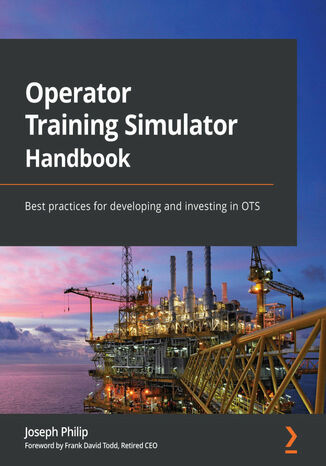
Operator Training Simulator Handbook. Best practices for developing and investing in OTS
Joseph Philip
Operator training simulators in the process industry have been around since the 1970s, but you may not find a book that documents the development of these systems and the standard best practices. The Operator Training Simulator Handbook covers best practices for OTS engineering and OTS training development and delivery, starting from the basic the jargon and the different types of OTS systems. It will take you through the best approaches to project specification as well as building, maintenance, planning, and delivering these systems by sharing real-life experiences and dos and don’ts.As you advance, you'll uncover the various challenges in the planning and delivery of operator training models and understand how to address those by working through real-world projects. This book helps in specifying the best fit for purpose, choosing a cost-effective system when acquiring an OTS. You'll also learn how you can turn your OTS projects into digital twins before finally learning all about documentation in a typical OTS project, covering the sample structure that you can use as a starting point in your projects.By the end of the book, you'll have learned best practices for developing operator training simulator systems and have a reference guide to overcome common challenges.

Antologia
Tom zawiera 13 opowieści niezwykłych. Kto sięgnie po ten zbiorek, na pewno się nie zawiedzie! Mistrzostwo pióra, zaskakujące zakończenia. Zbiór zawiera opowiadania: Emila Pardo Bazan: OPĘTANA PRZEZ DIABŁA. Piotr Nansen: ZAKOCHANI. - Piotr Nansen: SCEPTYK. - Arkadjusz Awerczenko: JAK POKONAŁEM CHAMPIONA ŚWIATA. - A. Awerczenko: W STOLICY. - A. Awerczenko.: PAWEŁEK I JEGO MAMA. A. Awerczenko: NASZA PROWINCJA. - A. Awerczenko: ZAGINIONY RĘKOPIS. - A. Awerczenko: ŻÓŁTA PRASA. - A. Kuprin: KRÓL I MĘDRZEC. - A. Kuprin: ALLEZ! - A. Kuprin: MAESTRO.